
 +38 (099) 799-99-92
  +38 (067) 55-999-05
  +38 (067) 55-999-07
 Heat transfer fluid for heating systems
 Product filter

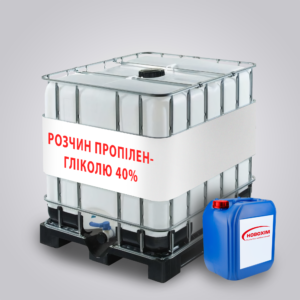 Propyleneglycol solution 40%
barrel 50kg, canister 10kg, filling from 100kg, кг.
 Ethylene glycol solution 40%
barrel 50kg, canister 10kg, filling from 100kg, кг.
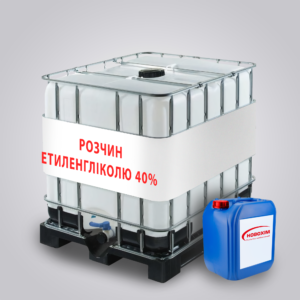 40% Ethylene Glycol Solution
barrel 50kg, canister 10kg, filling from 100kg, кг.
 FREEZLIGHT® −20 °C Ethylene Glycol Heat Transfer Fluid
barrel 50kg, canister 10kg, filling from 100kg, kg
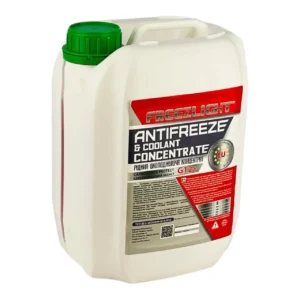 Antifreeze red concentrate “Freezlight” G12+
canister 5kg, filling from 100kg, kg
 FREEZLIGHT −32 °C Ethylene Glycol Heat Transfer Fluid
barrel 50kg, canister 10kg, filling from 100kg, kg
 Glycerin-based home heating fluid Freezlight -20°C
barrel 50kg, canister 11 kg, filling from 100kg, kg
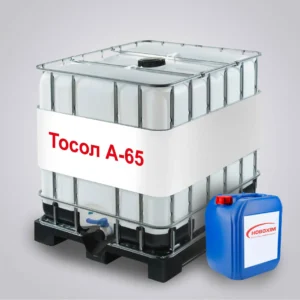
 Propylene Glycol Heat Transfer Fluid FREEZLIGHT® −20 °C for Heating Systems
barrel 50kg, canister 10kg, filling from 100kg, kg
 Propylene Glycol Heat Transfer Fluid for Heating Systems and Boilers FREEZLIGHT −32 °C
barrel 50kg, canister 10kg, filling from 100kg, kg
 Antifreeze red “Freezlight” -40°C
barrel 50kg, canister 10kg, filling from 100kg, kg

 Antifreeze blue “Freezlight “G-11 -40°C
barrel 50kg, canister 10kg, filling from 100kg
 Glycerine-based heating fluid for heating systems Freezlight -32°C
barrel 50kg, canister 11 kg, filling from 100kg, kg
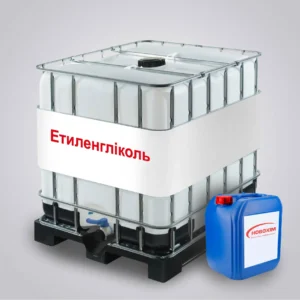
Heat transfer fluid for heating systems
Heat transfer fluid for heating and cooling systems can be bought in Ukraine at the Novohim online store. This is a special liquid that ensures the efficient and safe operation of heating and cooling systems. We offer various types of heat transfer fluids with freezing points ranging from –20 °C to –32 °C.
What types of heat transfer fluids are used in heating and cooling systems?
Propylene glycol heat transfer fluids
The safest and most environmentally friendly option. Propylene glycol is non-toxic and approved for use in residential buildings, schools, kindergartens, medical facilities, and heat pump systems. These fluids perform consistently over long periods of use and do not damage rubber seals.
Ethylene glycol heat transfer fluids
These fluids have good antifreeze properties and are affordable.
However, ethylene glycol is toxic, so it can only be used in closed, sealed systems where the heat transfer fluid cannot come into contact with the air in the room or drinking water.
They are most often used in industrial facilities where there are strict operating controls.
In residential buildings, it is recommended to give preference to propylene glycol or glycerine.
Glycerine heat transfer fluids
Glycerine-based heat transfer fluid is a modern solution that is biologically safe and environmentally friendly. They work well in domestic heating systems and greenhouses.
At the same time, their increased viscosity should be taken into account: a more powerful pump is needed for stable circulation.
In case of freezing, glycerine heat transfer fluids do not destroy pipes, but after thawing, they are more difficult to start due to their thick consistency.
How to choose a heat transfer fluid for heating
When choosing a heat transfer fluid, it is important to consider the type of equipment, operating conditions and manufacturer’s requirements. Glycerine heat transfer fluids are environmentally friendly and safe, but require a more powerful circulation pump and are more difficult to start up if frozen. Ethylene glycol fluids are only suitable for closed systems as they are toxic. Propylene glycol coolants combine safety and efficiency and are suitable for both residential and industrial facilities.
Freezing point (–20 °C, –32 °C)
For most regions of Ukraine, a composition with a crystallisation temperature of –20 °C is sufficient. In colder conditions, it is advisable to use –32 °C.
Environmental safety and composition
Propylene glycol or glycerine compositions are recommended for private homes. They are safe for humans and animals, do not emit toxic substances and do not affect the materials of the system.
Compatibility with system materials
A high-quality heat transfer fluid must be neutral to aluminium and cast iron radiators, copper pipes and rubber gaskets — this extends the service life of the equipment.
Advantages of FREEZLIGHT heat transfer fluids
- High heat transfer and stable performance for up to 5 years.
- Protection against corrosion, scale and foaming.
- Compatibility with heating and cooling system materials.
- Environmentally safe (no nitrites or amines).
- Wide range of temperatures: –20 °C and –32 °C.
- Convenient packaging: 10 kg canisters, 50/200 kg barrels, 1000 kg Eurocubes.
Technical characteristics and packaging
Freezlight heat transfer fluids are made from propylene glycol or glycerine and contain anti-corrosion and anti-foaming additives, as well as a fluorescent dye for monitoring purposes. They are supplied in 10 kg canisters, 50 and 200 kg plastic barrels, and 1000 kg Eurocubes. Bulk delivery is possible from 100 kg.
Instructions for use and storage
Only fill clean heating systems.
Store in a tightly closed container at a temperature between +5 °C and +40 °C.
Do not expose to direct sunlight.
The fluid has a service life of up to 5 years; after this, analysis and, if necessary, correction is recommended.
Frequently asked questions (FAQ)
Which heat transfer fluid should I choose for heating a private house?
Propylene glycol or glycerine compounds are recommended — they are safe for humans and animals.
Can different brands be mixed?
It is advisable to avoid this. Only mixing on the same basis (propylene glycol with propylene glycol, etc.) is permitted.
What happens during severe frosts?
At extreme temperatures, the heat transfer fluid does not turn into ice, but thickens to a gel, preserving the integrity of pipes and equipment.
Where to buy heat transfer fluid for heating and cooling systems
You can buy heat transfer fluid for heating and cooling systems directly on our website. We guarantee the quality of our products, provide advice and help you choose the best option for your system.
